Predictive versus Preventative Maintenance

Predictive maintenance looks for signs of trouble, intending to prevent costly repairs down the line. For example; moisture leaks, air bypasses, pressure fluctuations, energy usage fluctuations, housing cracks and motor stress sounds are all predictors that a problem may be developing in an operating system. Equipment down time and repair time are reduced by noticing and preparing for part failures or needed change-outs in advance. A good preventative maintenance program includes regular inspections that would provide opportunity to note signs of developing problems and prepare for them – predictive maintenance.

Preventative maintenance is the regular, prescheduled service of a system or piece of equipment. It is intended to maintain the equipment at peak operating efficiency, often according to the manufacturer’s specifications. With air filtration, preventative maintenance typically includes scheduled filter cleaning or change-outs, gasket replacements, airflow measurements and pressure drop tests.
Equipment Protection Leads to Equipment Efficiency
Capital equipment purchases carry a significant price tag, one that merits taking a long term view of equipment efficiency, maintenance and repair. Facility managers and building owners are faced with the challenge of maintaining the overall quality of a building, its ongoing operations and system performance needs. Millions of dollars and thousands of man hours are spent annually on HVACR systems and other equipment for maintenance, downtime and repair.
Failure to provide effective air intake protection to building or equipment fans, motors, heat exchangers and other process cooling systems adds up to a costly loss of productivity in safe and efficient system operations. This is especially true of cooling application systems where heat transfer surfaces are dramatically impacted by buildup of dirt on the surface.
In a cooling system, heat absorption and release take place on condensing surfaces (fins and coils) and are dependent on surface transfer and airflow to achieve an operational goal. As dirt insulates those surfaces or causes insufficient air flow through the coils, heat transfer from the refrigerant to the air is reduced. This causes the condensing temperature of the refrigerant to increase and forces the compressor to work harder.
Airflow obstructions, debris and dirt buildup will impact equipment ability to work efficiently. Dirty equipment means energy efficiency decrease, heat buildup, higher discharge pressure, increased amp draw and motor strain. Forced to run for longer cycle times, at reduced capacity, operating costs escalate, breakdown occurs and equipment life expectancy decreases.
Well maintained equipment costs less to operate, promotes optimal life expectancy and energy efficiencies. A proactive approach to equipment maintenance helps deliver consistent high level performance and minimizes the need for unnecessary service calls and costly repairs.
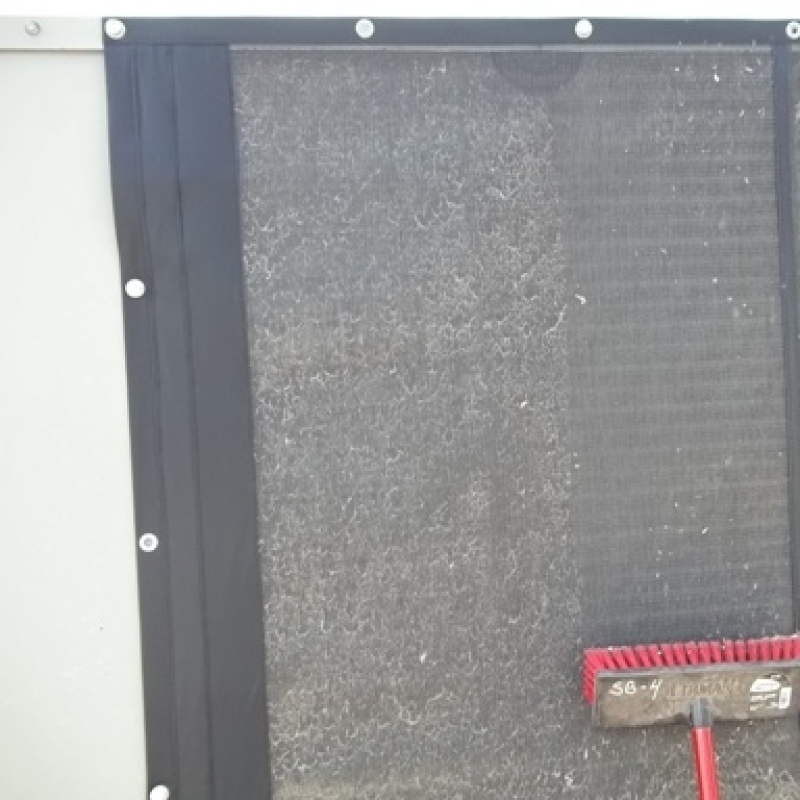
Clogged Intake Fins

Clean Intake Fins
PreVent Filter Captures Dirt